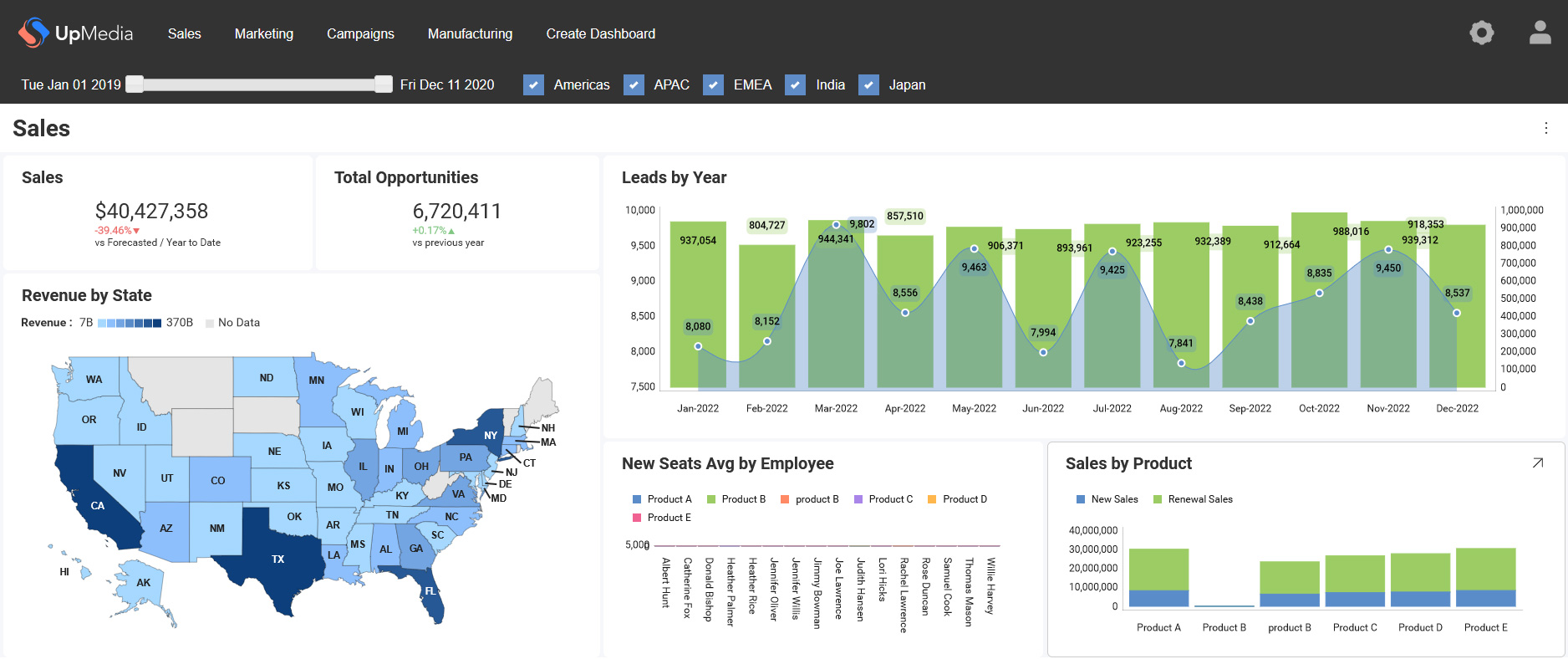



SaaS分析とは?
SaaS製品は、日々の顧客のやり取りを通じて継続的なデータを生成します。チームは、その情報を解釈するための構造化された方法を必要としています。SaaS分析は、プロダクトの使用状況、顧客の行動、およびサブスクリプションのパフォーマンスに焦点を当てることで、この構造を提供します。これにより、組織はユーザーがSaaS製品とどのように関わるかを理解し、それらの行動を測定可能なビジネス成果に結びつけることができます。
SaaS分析とは、SaaS製品および関連する運用からデータを収集、分析、解釈するプラクティスです。その範囲には、使用状況のメトリクス、リテンションシグナル、および継続的な収益指標が含まれます。 ビジネス分析 や ビジネスインテリジェンス とは異なり、SaaS分析はサブスクリプションのライフサイクルと継続的なユーザーアクティビティに焦点を当てています。一般的な例には、提供価値を評価するための機能採用の追跡や、チャーンの初期兆候を特定するための使用頻度の監視などがあります。
この共通の理解は、プロダクト、グロース、および運用チーム全体の意思決定をサポートします。

SaaS分析が重要な理由
サブスクリプションビジネスは、顧客行動の明確な可視性に依存しています。顧客が製品を使用するにつれて、収益は時間とともに変化します。SaaS分析は、使用パターン、エンゲージメントの深さ、および関与の初期兆候を示すことで、可視性を提供します。
SaaS分析が重要なのは、リテンションと拡大が長期的な収益を牽引するからです。使用傾向は、キャンセルが発生する前にチャーンのリスクを明らかにする場合があります。チームは、SaaSデータ分析を使用して、活動の低下を監視し、その原因を調査します。これは、プロダクト、グロース、および収益チーム全体で一貫したデータに基づいた意思決定 をサポートします。共有メトリクスは、チームが同じパフォーマンスシグナルを中心にアライメントするのにも役立ちます。
実行速度もまた一つの要因です。チームが変更の影響を迅速に確認できると、より速く調整できます。SaaS分析は、遅延したレポートへの依存を減らすことでフィードバックループを短縮します。これにより、チームは変更をより早く検証し、顧客の成果に影響を与える改善のための市場投入までの時間 を短縮できます。
SaaS分析の一般的な種類
SaaSビジネスが成長するにつれて、異なるチームが異なる質問に答える必要があります。単一の分析ビューでは、すべてのニーズをカバーすることは稀です。チームは、意思決定の焦点に基づいてSaaS分析を種類に分類します。各種類は、特定のプロダクト、顧客、収益、または運用上の意思決定セットをサポートします。
-
プロダクト分析
ユーザーが機能とどのようにやり取りするかを検証します。チームは、セッション、ワークフロー、完了率などのイベントを分析します。これは、プロダクトマネージャーが採用を評価し、摩擦点を特定するのに役立ちます。一般的なユースケースは、プロダクト分析 に概説されているように、オンボーディングの進捗を測定することです。
-
顧客分析
時間経過に伴うアカウント全体での行動に焦点を当てます。エンゲージメントレベル、リテンションパターン、およびチャーンシグナルを追跡します。チームは、更新に影響を与える傾向を特定するために、アクティブユーザーと非アクティブユーザーを比較します。このSaaSデータ分析は、ライフサイクル管理とターゲットを絞った介入をサポートします。
-
収益分析
使用行動を財務成果に結びつけます。MRR、拡大、および縮小の変化を追跡します。チームはこの視点を使用して、顧客のアクションが収益パフォーマンスにどのように影響するかを理解します。また、類似の顧客セグメント間での価値の違いも説明します。
-
運用分析
サービスの信頼性と提供品質に対処します。システムパフォーマンス、サポート量、および応答時間が含まれます。これらのインサイトは、使用量が増加しても一貫したサービスを維持するのに役立ちます。
主要なSaaSメトリクスとKPI
チームは、共有された定義なしにパフォーマンスを追跡することがよくあります。これは、プロダクト、グロース、および収益における不一致につながります。SaaS分析は、使用状況を成果に変換する一貫したメトリクスのセットに依存しています。
収益メトリクス
月次経常収益(MRR)と年次経常収益(ARR)は、予測可能なサブスクリプション収入を測定します。これらは、顧客が参加、拡大、または離脱するにつれて収益がどのように変化するかを示します。チームは、これらのメトリクスを使用して財務的な勢いを評価し、成長を予測します。MRRの変動は、財務レポートに現れる前に顧客の行動を反映することがよくあります。
チャーンメトリクス
チャーンは、時間経過に伴う顧客または収益の損失を測定します。顧客チャーンは、キャンセルされたアカウントを追跡します。収益チャーンは、失われた継続的なプロダクト分析収益 を反映します。チームは、根本原因を特定するために、チャーンを使用パターンと比較します。
ユニットエコノミクスメトリクス
目標がデータ収益化である場合、顧客生涯価値(LTV)は、顧客が時間を通じて生成する総収益を推定します。顧客獲得コスト(CAC)は、その顧客を獲得するためのコストを測定します。これらメトリクスを組み合わせることで、チームは持続可能性と効率性を評価するのに役立ちます。
使用状況メトリクス
アクティブユーザーと機能採用は、財務メトリクスにコンテキストを提供します。アクティブユーザーは、アカウント全体でのエンゲージメントレベルを示します。機能採用は、どの機能が価値を提供するかを示します。これらのメトリクスは、収益がいつ発生するかだけでなく、なぜ発生するのかをチームに説明するのに役立ちます。
SaaS分析ツール
SaaSデータは、単一の場所に存在することはめったにありません。使用イベント、収益記録、および運用シグナルは、システム全体に分散していることがよくあります。SaaS分析ツールは、チームがこのデータを収集、分析、および使用可能な形式で提示するのに役立ちます。
プロダクト分析ツール
プロダクト分析ツールは、SaaS製品内部のユーザー行動に焦点を当てます。機能の使用、セッション頻度、ワークフローの完了などのイベントを追跡します。チームは、これらのインサイトを使用して採用を評価し、摩擦点を特定します。
ビジネスインテリジェンスおよびレポート作成ツール
ビジネスインテリジェンスツールは、チームやシステム全体でデータを集約します。構造化されたレポートと履歴的なパフォーマンスビューを提供します。これらのツールは、リーダーシップレポートや運用レビューをサポートすることがよくあります。多くのSaaSチームは、生のイベントを分析することなくトレンドを要約するために、このレイヤーに依存しています。
データプラットフォームとデータソース
分析は信頼できる入力に依存します。データプラットフォームは、生の情報の取り込み、ストレージ、およびアクセスを管理します。SaaS分析ツールは、使用状況、収益、および運用データとを組み合わせるために、複数のデータソース に接続します。クリーンな入力は、レポートのギャップとメトリクスの不整合を減らします。
組み込み分析プラットフォーム
組み込み分析プラットフォーム は、分析そのものよりも提供に焦点を当てています。これらは、内部または外部のユーザー向けにSaaSアプリケーションにインサイトを提示します。チームは、これらのプラットフォームを、顧客向けの分析 をサポートするために使用することがよくあります。
SaaS分析と従来のビジネス分析の比較
多くのチームが分析を使用していますが、その用語の意味は異なります。SaaS分析と従来のビジネス分析は、異なる質問に対処します。この違いを理解することは、チームが適切な方法を適切なコンテキストで適用するのに役立ちます。

従来のビジネス分析は、エンタープライズレポート作成と長期的な計画をサポートすることがよくあります。これらのシステムは、標準化されたレポート作成ニーズに対して安定性と一貫性を提供します。
SaaS分析は、異なる役割を果たします。これは、ユーザー行動とサブスクリプションの健全性に関する継続的なインサイトを重視します。両アプローチは、同じ組織内で共存することができます。
SaaS分析の課題と限界
分析は明確さを約束しますが、実行はしばしば摩擦を生じさせます。SaaS製品がスケールするにつれて、データ量と複雑さが増加します。SaaS分析チームは、精度と信頼性に影響を与える実用的な限界に直面します。
データ断片化と統合
SaaSデータは、しばしば接続されていないシステムに存在します。プロダクトイベント、請求記録、およびサポートデータは、単一のソースを共有することはめったにありません。チームは、これらの入力を統一されたビューに組み合わせるのに苦労します。これらのデータ統合の課題 は、レポートのギャップを生み出します。断片化はまた、使用シグナルを見逃すリスクを高めます。
メトリクスの不整合
チームは、同じメトリクスを異なる方法で計算することがあります。チャーン、アクティブユーザー、または採用は、定義によって異なる場合があります。この不整合は、矛盾するレポートと混乱につながります。数値が一致しない場合、SaaS分析は信頼性を失います。明確な所有権と共有された定義がこのリスクを減らします。
データ鮮度とレイテンシ
サブスクリプションビジネスにおいて、タイムリーなインサイトは重要です。遅延したデータは、初期の警告サインを隠します。チームは、エンゲージメントやパフォーマンスの問題の低下に対して、手遅れになるまで反応する可能性があります。SaaSデータ分析は、迅速な意思決定をサポートするために新鮮なデータに依存します。レイテンシは、行動と結果の間のリンクを弱めます。
セキュリティとアクセス制御
分析は、機密性の高い顧客およびビジネスデータにアクセスすることがよくあります。アクセスが拡大するにつれて、リスクも増加します。チームは、誰が分析アセットを閲覧または変更できるかを制御する必要があります。強力なセキュリティ のプラクティスは、信頼性とコンプライアンスを保護します。
スケールと分析の複雑性
データ量が成長しても、手動の分析はスケールしません。一部のチームは、大規模なデータセット全体でトレンドを表面化させるために、SaaS分析をAI分析 で拡張します。これは分析機能とユーザビリティを向上させますが、ガバナンスと検証の懸念ももたらします。
SaaS分析と組み込み分析の関連性
チームは、分析用語を混同して使用することが多く、それが混乱を引き起こします。SaaS分析と組み込み分析は、関連しているが異なる役割を果たします。違いを理解することは、チームがより明確な分析体験を設計するのに役立ちます。
SaaS分析は、何が分析されるかを定義します。プロダクトの使用状況、顧客の行動、およびサブスクリプションのパフォーマンスを網羅します。チームは、SaaS分析を使用して、製品がどのように機能するか、および顧客がどのように関わるかを理解します。この分析は、インサイトが表示される場所に関係なく存在します。
組み込み分析 は、それらのインサイトがどのように提供されるかを定義します。これは、分析をSaaS製品のインターフェースに組み込みます。個別のツールとしてではなく、ユーザーはコンテキスト内でダッシュボードやレポートにアクセスします。
多くのSaaS企業は、組み込み分析を使用して、内部チームや顧客にインサイトを公開します。これらの体験は、周囲のアプリケーションにマッチするホワイトラベル分析 として現れることがよくあります。提供は、ダッシュボード、フィルター、およびインタラクティブレポートなどの一般的な組み込み分析機能 に依存します。
これら概念を合わせることで、インサイトが分析から行動へとどのように移行するのかが説明されます。SaaS分析は質問とメトリクスを定義します。組み込み分析は、それらをチームがどのように提供するかを決定します。